
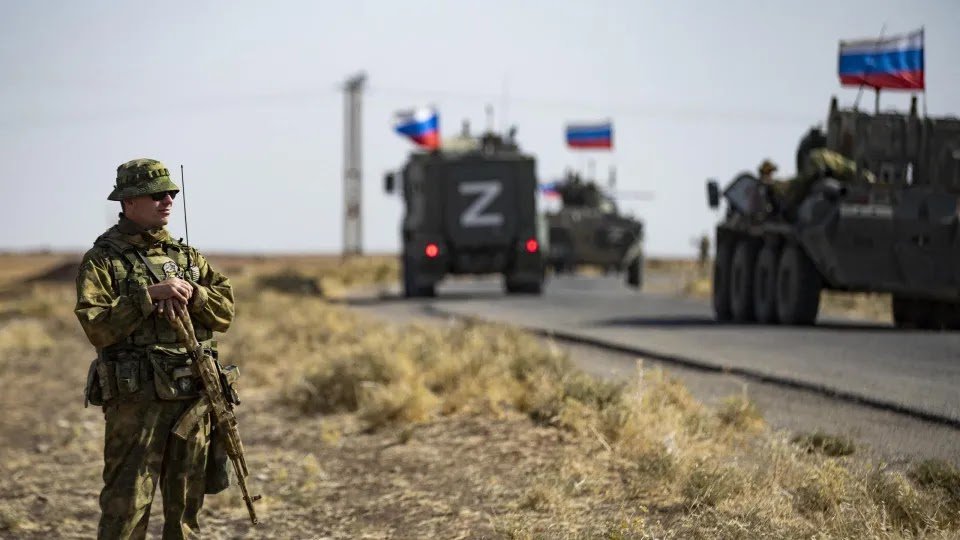

According to the Russian media outlet Vazhniye Istorii, according to the database of the Russian Ministry of Science and Higher Education, 15,259 people were admitted to university under special quotas for war veterans or their children, almost double the number recorded in 2023, of 8,730.
About 11,500 are children of participants in the war in Ukraine, almost 75%, another 2,100 were directly involved in the armed conflict, and the rest are children and participants in other wars, such as those in Syria or Chechnya.
Those admitted represent 3.5% of the total number of first-year students at all Russian universities.
However, the majority are admitted to universities in regions that are also the most affected by the number of Russian soldiers lost in the war with Ukraine, such as the Republic of Buryatia (7.3% of those admitted under quotas); the Baikal region (7%); the city of Sevastopol (7%); and the Sakhalin region (6.5%), among others.
The majority of students study pedagogy (1,897 students), followed by computer science (1,729); medicine (1,719); economics and administration (1,038); law (757) and others.
However, there is a large gap in the ease of access to university compared to students who entered without paying tuition fees.
This is especially evident in dentistry, where 123 people compete for each available place, compared to 14 people who enter by paying tuition fees.
There is also a large knowledge gap, since, in addition to the fact that a third of students admitted through vouchers do not have to take entrance exams, 70% of those who took the exams did not have sufficient knowledge to enter without quotas and were nevertheless admitted.
Last February, the Minister of Science and Higher Education, Valery Falkov, declared that university entrance fees would increase from 10% to, eventually, 30%, which will make it more difficult for students who cannot benefit from this option, which favors veterans and their families, to access.
Leave a Reply