
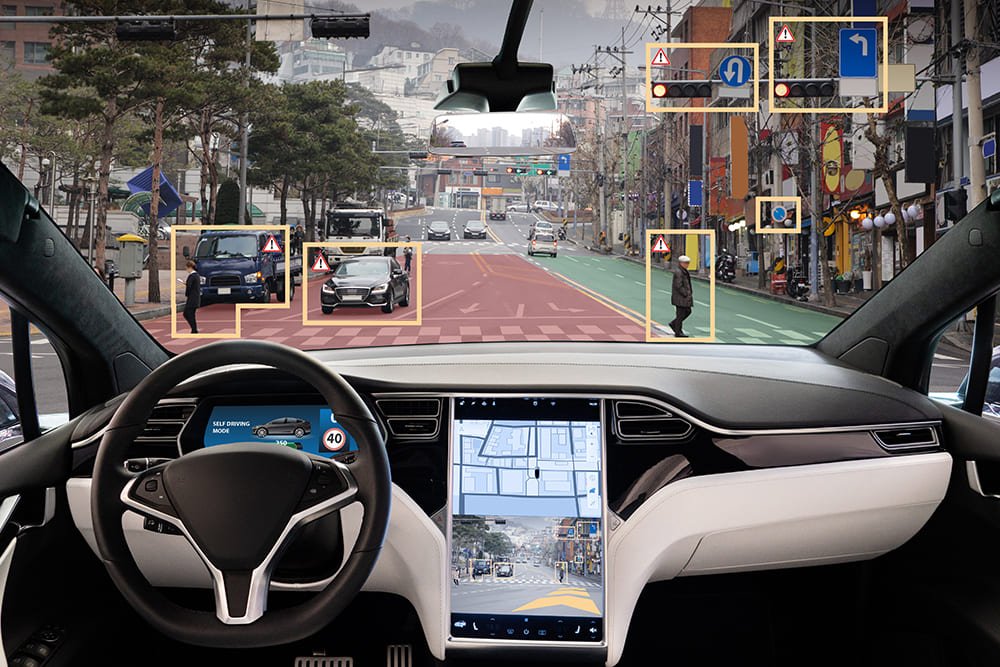

If Tesla manages to introduce its “Full Self-Driving” technology to China, the largest automobile market globally, the American electric car pioneer will propel itself into the forefront of the international race toward autonomous vehicles.
During a brief visit to Beijing beginning on Sunday, Musk arrived to explore the potential deployment of its FSD driver-assistance system and the potential acquisition of government approvals for transferring data from Tesla (TSLA.O) vehicles abroad, as per a source familiar with the visit.
This data, utilized for training self-driving systems, would significantly advance Tesla’s ongoing endeavors to manufacture fully autonomous vehicles.
Similar to its success with electric cars, Tesla could emerge as a formidable contender in China’s autonomous vehicle sector, industry analysts and executives argue, highlighting its early lead in developing driver-assistance systems featuring autonomous capabilities.
However, Tesla encounters formidable competitors such as BYD (002594.SZ), China’s leading EV manufacturer, and Huawei (HWT.UL), a smartphone giant positioned as a national technology leader, both of which have introduced systems tailored for navigating China’s densely populated urban environments.
These industry giants are among at least 10 automakers and suppliers that have unveiled driver-assistance systems over the past couple of years capable of navigating city streets and executing turns at intersections. Other notable contenders include EV manufacturers Xpeng (9868.HK) and Li Auto (2015.HK), as well as Xiaomi (1810.HK), the smartphone manufacturer that recently debuted its inaugural vehicle to significant acclaim.
According to Maxwell Zhou, co-founder of DeepRoute.ai, a China-based startup specializing in advanced driver-assistance system software, any new model priced above $30,000 in China now necessitates advanced driver-assistance functionalities to remain competitive.


Leave a Reply