
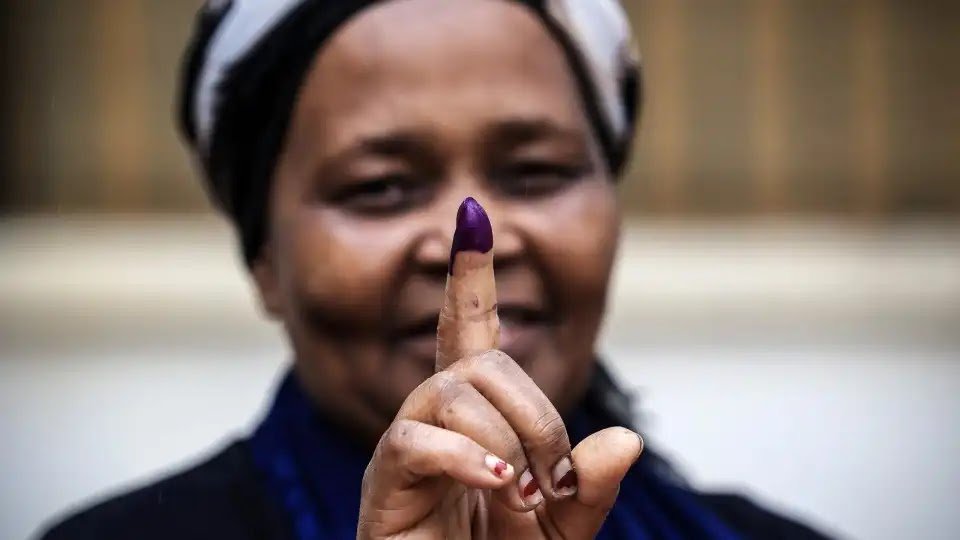

The European Union Election Observation Mission (EU EOM) to Wednesday’s general elections in Mozambique said today that the vote was “peaceful and orderly”, in a “context of public distrust and affected credibility of the electoral process”.
Presenting the preliminary assessment of the electoral process in Maputo, the head of the mission, Laura Ballarín, pointed out that the “electoral bodies conducted the vote in an orderly manner”, that people “voted calmly and procedures were mostly followed during voting” and that, during the campaign, “fundamental freedoms were generally respected”.
In total, the EU EOM sent 179 observers from 24 EU member states, Canada, Norway and Switzerland across the country and on election day they “visited 729 polling stations in all provinces and 78 districts”.
In presenting its preliminary assessment of the electoral process, the mission pointed to a “clear distortion of the conditions in favor of the ruling party during the course of the campaign”, with “the Front for the Liberation of Mozambique (Frelimo) benefiting from the advantages inherent in power through the misuse of state resources”.
The EU EOM’s preliminary report also states that “the electoral campaign was conducted peacefully” and freedom of expression “was generally respected throughout the campaign period”, among other considerations.
Laura Ballarín also stressed that there was “a notable lack of confidence in the reliability of the electoral roll and the independence of the electoral bodies” and that some cases of “ballot box stuffing” were observed.
“In addition, our observers reported that the vote count was slow and suffered from disorganization and lack of clarity,” said Laura Ballarín, while stressing that the mission does not validate or legitimize the election results.
In the report, the EU EOM states “that the majority of opposition political parties expressed a lack of confidence in the impartiality and independence” of the electoral bodies, “including the Constitutional Council”.
“The lack of a public communication strategy by the CNE [National Electoral Commission] contributed to this mistrust,” it adds.
Wednesday’s general elections included the seventh presidential elections – for which the current head of state, Filipe Nyusi, who has reached the constitutional limit of two terms, no longer ran – at the same time as the seventh legislative elections and the fourth elections for provincial assemblies and governors.
In addition to Venâncio Mondlane, Lutero Simango, supported by the Democratic Movement of Mozambique (MDM, the third largest parliamentary force), Daniel Chapo, with the support of the Mozambique Liberation Front (Frelimo, in power since 1975), and Ossufo Momade, with the support of the Mozambican National Resistance (Renamo, the largest opposition party), ran for the presidency.
The vote included legislative seats (250 deputies) and seats for provincial assemblies and their respective provincial governors, in this case with 794 mandates to be distributed. The CNE approved lists of 35 political parties running for the Assembly of the Republic and 14 political parties and groups of voting citizens for the provincial assemblies.



Leave a Reply