
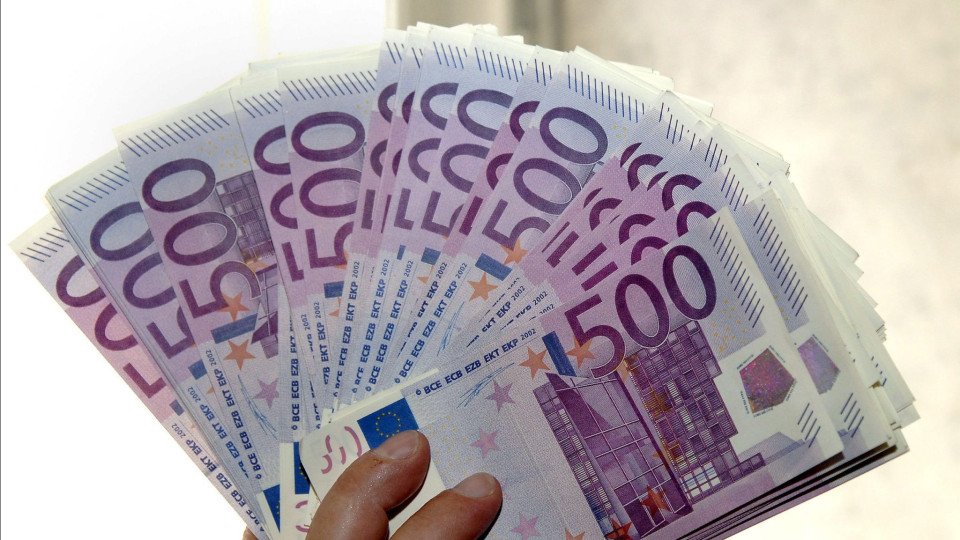

According to a press release released today by the Spanish Tax Agency, eight people were accused of money laundering and tax fraud, and two of them were arrested, including a Dutch citizen, who is considered the organizer.
In addition, 11 properties valued at five million euros were seized, as well as bank accounts, vehicles, watches and other assets valued at more than 550,000 euros.
The “run out” operation originated in 2021 with an investigation in Portugal related to the activity in Equatorial Guinea of a Portuguese construction company and the possible diversion of “bribes” to the personal assets of those being investigated.
Customs surveillance carried out its investigation into the alleged organizer of the scheme, finding “serious evidence” of concealment of funds of criminal origin in properties in Spain through the use of front companies and instruments.
The search of the Dutch citizen’s home in 2022 allowed access to 13,000 paper documents and 43 electronic devices, nine bank accounts were frozen (with a balance of 200,000 euros), and three vehicles were seized (valued at more than 100,000 euros), 15 high-end watches (valued at €150,000) and ownership of the lifetime usage rights of a golf club (valued at €100,000).
The sale of 11 properties seized in Mallorca and several companies was also prohibited.
With this documentation, it was possible to find evidence “of a criminal conspiracy” through invoices issued by shell companies, false contracts and evidence of the diversion of “bribes” of 10% of the value of public works in Equatorial Guinea, as well as its subsequent money laundering through a corporate network, an asset that was controlled by the organizer of the conspiracy.
The scheme had created a complex international corporate structure to channel these illegal commissions – with companies in Cape Verde, Liechtenstein, Cyprus and Belize – which transferred the funds to investments controlled by the organizer.
The structure was led by a partner in Liechtenstein, on which another partner controlled by the Dutch citizen depended.
An important part of the misappropriated funds had been hidden in investments in a real estate developer in Palma de Mallorca and another part had been invested in the Netherlands through shell companies to hide investments in a well-known brand of cosmetic products, worth more than seven million euros, among other businesses.




Leave a Reply